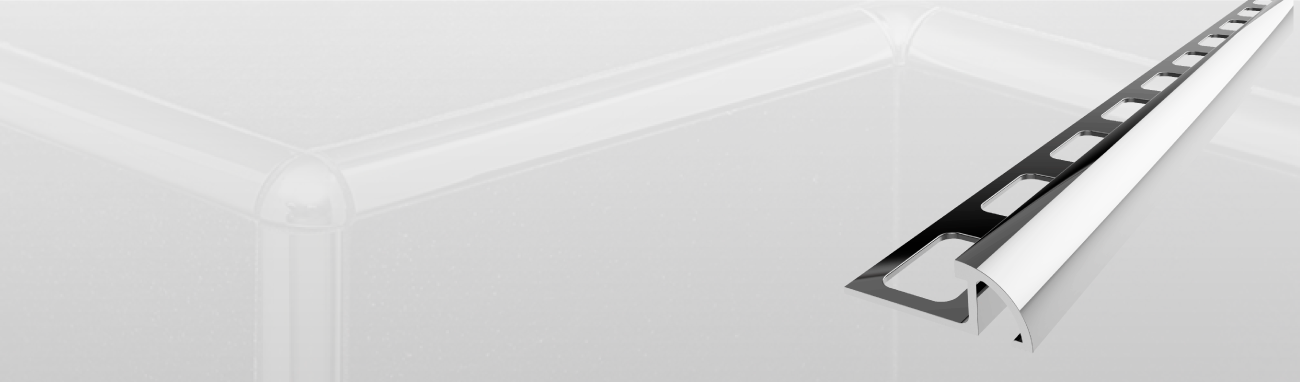
Choose the strongest available product reference
A profile enquiry may begin with a technical drawing, an existing sample, a clear photograph or a known product family. The strongest reference is the one that communicates geometry and intended use with the least ambiguity.
If a drawing is available, include the complete cross-section and all dimensions that control fit. If the starting point is a sample or photograph, explain where the profile is used and identify the dimensions that can be measured reliably.
Do not present an estimated dimension, finish or material as confirmed. Mark unknown items clearly so they can be reviewed during quotation preparation.
Define cross-section, dimensions and fit
The cross-section is the central technical reference for an aluminium profile. A useful request identifies the dimensions that affect assembly, mating parts, edge coverage or installation depth.
- Attach a dimensioned drawing where possible.
- State the intended profile length or the required cut-length logic.
- Identify critical dimensions and tolerances instead of applying the same tolerance expectation to every feature.
- Explain interfaces with tile, glass, flooring, panels, fasteners or adjoining profiles.
- Include hole, slot or machining requirements only when they are part of the known specification.
Separate material requirements from finish direction
Material, alloy, temper and surface finish are different specification layers. If the project already defines an alloy or temper, include it as a buyer requirement. If it does not, describe the application and performance context without inventing a grade.
For the surface, state the intended appearance and exposure. Terms such as mill finish, anodised, brushed, bright or powder-coated indicate a direction; colour, texture, gloss and reference-sample requirements may still need confirmation.
| Input | What to provide | Why it matters |
|---|---|---|
| Material requirement | Specified alloy or project standard, if known | Prevents an assumed grade from entering the quotation |
| Finish direction | Mill, anodised, brushed, bright, powder-coated or reference sample | Sets the visual and process direction |
| Colour reference | RAL code, physical sample or approved reference when applicable | Creates a shared comparison point |
| Visible faces | Identify the faces that remain exposed after installation | Focuses appearance control on the relevant surfaces |
See the aluminium profile finishes guide for a more detailed finish comparison.
Add quantity, packaging and destination context
A technical profile description is only one part of an export enquiry. Quantity, packing format and destination affect how the requirement is assessed and quoted.
- Quantity
State pieces, total length, weight or another clear unit. Separate trial and repeat-volume scenarios if both are relevant. - Length
Provide stock length, finished cut length or the cutting schedule required by the project. - Packaging
Describe protective-film, individual wrapping, carton, bundle, label or private-label requirements that are already known. - Destination
State the delivery country and preferred Incoterm if your buying process already defines one. - Timeline
Share the required delivery window as a target for review, not as an assumed production commitment.
Request documentation by order and destination
Document requirements vary by product, finish, destination and transaction. List the documents your import process expects, such as a commercial invoice, packing list, Certificate of Origin, ATR, EUR.1, Mill Test Certificate or MSDS where relevant.
Availability and applicability should be confirmed for the specific quotation. A document name should not be treated as a blanket certification claim or a guarantee that it applies to every profile and destination.
If an Incoterm is requested, include the named place or port and the applicable Incoterms edition used by your purchasing team.
Aluminium profile RFQ checklist
- Profile family and intended application
- Drawing, sample reference or clear product photograph
- Critical dimensions and fit requirements
- Required length or cutting schedule
- Material, alloy or project standard if already specified
- Surface finish and colour direction
- Quantity and unit of measure
- Packaging, labelling or private-label requirements
- Destination and requested Incoterm, if known
- Required export or technical documents for confirmation
When a field is unknown, label it as open. A transparent incomplete requirement is more useful than a guessed technical input.
Specification questions
Can I request a quotation without a technical drawing?
Yes. An existing sample, clear photographs and measured dimensions can establish an initial direction. Exact geometry and fit requirements may still need clarification before production.
Should I specify alloy and temper in every enquiry?
Include them when they are defined by the project or purchasing specification. When they are not defined, describe the application and performance context rather than guessing a grade.
Which export documents should I list?
List the documents required by your order and destination. Availability and applicability of ATR, EUR.1, Certificate of Origin, Mill Test Certificate, MSDS or other documents should be confirmed for the specific quotation.
What information is most useful for a custom aluminium profile?
A dimensioned cross-section, critical tolerances, intended length, finish direction, quantity, application context and any known machining or packaging requirements provide a strong starting point.